Think of the last time your club or federation streamed a match.
Was it on YouTube? Twitch? Maybe even both?
If that’s the case, you’re not alone. Free platforms have been the default for years — especially for grassroots clubs, youth tournaments, and smaller federations. They’re simple to use, cost nothing to run, and feel like the safest bet when budgets and tech expertise are limited.
But here’s the question many organisations are starting to ask:
Is this still the best long-term option?
As more sports bodies explore ways to own their digital presence, monetise content, and engage fans on their own terms, the idea of launching an OTT platform is gaining momentum. And while it may sound like a big, risky leap… it really doesn’t have to be.
Why YouTube Feels Safe — But Isn’t Always
YouTube has its advantages — no one is denying that. It’s global, it works on every device, and it comes with a built-in audience. For many, it’s been a great starting point.
But relying solely on free platforms also comes with trade-offs that often go unnoticed:
-
You don’t own the platform — YouTube does. That means no control over design, user data, or how (and if) your videos are discovered.
-
Monetisation is limited — Unless you’ve got millions of views, YouTube’s revenue model won’t make much of a difference.
-
Algorithmic visibility isn’t guaranteed — Even loyal fans might miss your live streams if they’re not served the right content at the right time.
YouTube is free to use, but it’s not built for you.
It’s built for advertisers.
The Case for Starting Your Own OTT Platform
OTT (Over-the-top) simply means delivering video content directly to viewers over the internet, bypassing traditional broadcasters — and yes, bypassing free platforms like YouTube too.
That might sound like something only top-tier leagues can afford.
But today, OTT platforms are more accessible than ever — and here’s why switching isn’t as risky as it seems:
1. You Don’t Have to Ditch YouTube Completely
This is the biggest misconception. Launching an OTT channel doesn’t mean shutting down your YouTube page overnight. In fact, many organisations run hybrid strategies, using free platforms to promote content and funnel viewers toward premium or long-form video hosted on their own platform.
Here’s what that could look like:
-
Use YouTube for trailers, match previews, interviews, or behind-the-scenes clips
-
Host full matches, replays, and archive content on your OTT channel
-
Promote OTT-exclusive features across social media to build recurring viewership
This way, you keep your reach while gradually moving your most valuable content under your own roof.
2. It’s Not Just for the Tech-Savvy
A few years ago, launching a video platform required developers, designers, and an IT department. Not anymore.
Modern OTT solutions are designed to be used by clubs, federations, and associations without technical teams. In many cases, streaming is as simple as connecting a camera or uploading a file. There’s no need for in-house infrastructure or complex backend systems.
Even small organisations with a one-person media team can run a successful OTT setup — as long as the solution fits their scale.
3. You Gain More Than Just Monetisation
Yes, OTT lets you earn through subscriptions, pay-per-view, or sponsor-branded content — but that’s only part of the story.
With OTT, you also gain:
-
Audience ownership — no more guessing who watched or relying on platform stats
-
Custom branding — present your identity your way, not in YouTube’s layout
-
Engagement tools — from content scheduling to segmenting audiences by interest
-
Content security — you decide what’s public, paid, or geo-blocked
In short: OTT gives you control — and in the digital age, that’s worth a lot.
It Doesn’t Have to Be All or Nothing
The smartest way to make the transition?
Start small. Test. Grow from there.
Many sports organisations begin by streaming just one event or tournament on OTT, while keeping other content on free platforms. Some start with archived matches or long-form content that’s less dependent on real-time promotion. Others launch an OTT site in parallel with their YouTube presence, learning what works and gradually shifting more content over.
This incremental approach allows:
-
Your team to learn the ropes
-
Your audience to adjust to the new flow
-
Your partners to see the value of a premium platform
How Rugby Americas North Did It
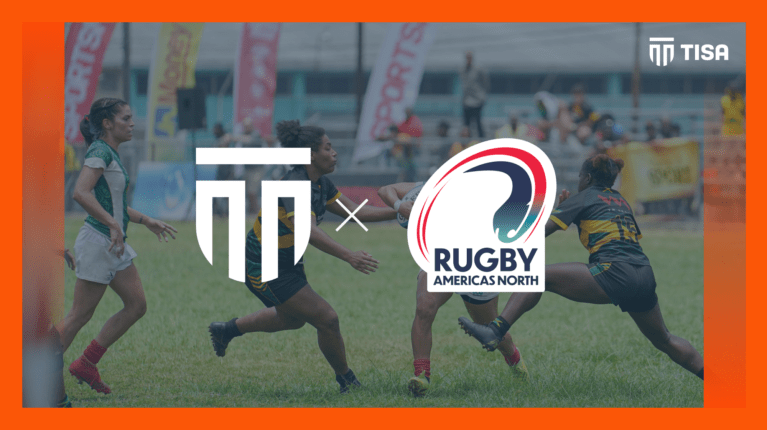
Let’s take a look at how Rugby Americas North (RAN) approached this shift.
For years, RAN used YouTube to stream events and reach fans across the region. But when it came to covering key regional competitions with more professionalism, better control, and monetisation potential, they turned to a lightweight OTT solution: Smart STRIDE.
What changed?
-
They maintained their YouTube channel for awareness and social sharing
-
Meanwhile, tournaments and longer-form content were streamed through their own branded platform, offering a more polished and consistent experience
-
They didn’t need to overhaul their operations or hire new staff — Smart STRIDE was built to work with small teams and real-world schedules
Instead of replacing one system with another, RAN expanded their options — and opened the door to a more sustainable digital model.
Final Thought: It’s About Ownership, Not Risk
Moving from YouTube to OTT isn’t about abandoning what works. It’s about building something you own — something that serves your fans, your strategy, and your brand in the long run.
The risk isn’t in trying OTT.
The risk is staying dependent on platforms that were never designed for sports organisations in the first place.
And as the tools get smarter and more affordable, there’s never been a better time to take that first step.